What Is the Ideal Humidity Level for Your Home?
Humidity is a natural element that pervades our homes. It is almost impossible to live without a minimum of moisture within the walls of your home, unless you live in a desert, arid region. If you live in Italy, your home probably has a medium-high level of humidity.
But how do you measure the humidity level in a home? What are the effects of humidity on the body and on the structure of the building? What is the ideal amount of humidity to keep at home? Keep reading and find out with Diasen.
Why is there humidity in my home?
Some humidity in the home is normal, as water vapour inevitably builds up in the air through everyday activities such as cooking, washing and even breathing. Humidity is also found outside our homes and depends on the weather and environmental conditions of the place where we live. In summer, by a lake for example, there will be more humidity because of evaporation from the water’s surface.
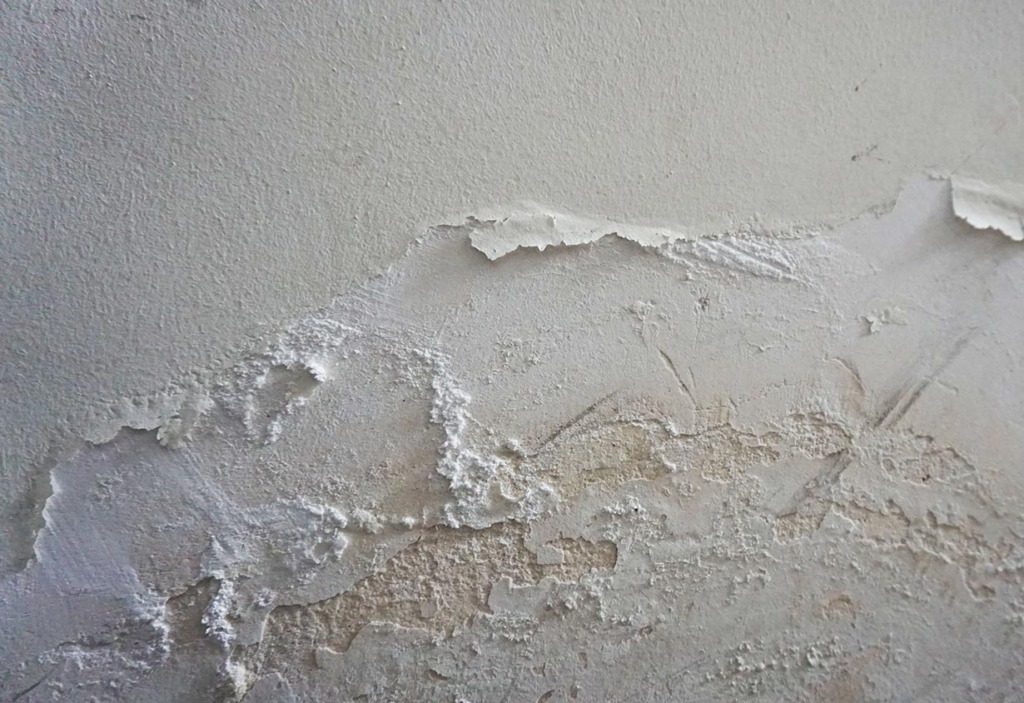
In addition, water seeping in through cracks in the walls, poorly insulated windows or faulty pipes can lead to a build-up of rising damp, as can a lack of adequate ventilation that prevents humid air from escaping. Condensation, formed when warm, humid air comes into contact with cold surfaces, is another common cause of humidity at home.
These factors are an integral part of domestic life and can lead to the formation of mould and damage the structure of buildings if not managed properly. However, it is possible to control and reduce humidity at home through adequate ventilation, insulation of cold surfaces and repair of water leaks. But we will talk about that shortly.
The effects of humidity on health
Some people buy dehumidifiers and others buy humidifiers, but who is right? It all depends on the health of the individual occupants. Excessive humidity at home can cause a range of respiratory problems, including asthma, allergies and airway irritation. Mould, which tends to thrive in damp environments, releases spores into the air that can trigger asthma attacks and other allergic reactions, aggravating the symptoms of sufferers.
Excessive humidity in the air has been shown to hinder sleep, causing difficulty falling asleep, frequent waking at night and a general feeling of discomfort during rest. This disturbed sleep cycle can lead to daytime drowsiness, affecting work performance and quality of life.
Ideal humidity and measurement
To monitor the humidity level, it is advisable to use a hygrometer, a device easily found in hardware shops or online. This instrument gives an accurate measurement of the relative humidity of the air, allowing you to adjust the indoor environment accordingly.
Ideal humidity is generally between 40% and 60%, a range that promotes living wellbeing and prevents problems related to damp and the formation of mould. It is important to take measurements in different areas of the home, paying particular attention to bedrooms, bathrooms and kitchens, where humidity tends to be higher because of daily activities.
How to reduce humidity at home: thermal insulation
If, when measuring the humidity level in your home, you find that it exceeds the parameters we have just mentioned, it is a good idea to act on the causes that make it rise. It is not always enough simply to reduce the production of vapour inside the home or to air the rooms often. The formation of humidity at home is sometimes due to insulation problems, that is, problems with the insulation of the structure.
Insulated walls prevent the formation of condensation and reduce temperature swings, creating a healthier and more comfortable environment. What is more, if the house is well insulated, you will not need to turn the heating up further in winter or the air conditioning in summer, because the walls will be able to retain the temperature. You will save on your gas and electricity bills and respect the environment by reducing demand for energy from fossil sources.
How to insulate a house sustainably?
Thermal insulation, as we have said, is crucial not only for maintaining a comfortable temperature inside homes but also for reducing ambient humidity. Adequate thermal insulation helps prevent moisture from condensing on the inner surfaces of walls, thus reducing the risk of mould formation and related structural damage.
In practice, insulating materials work by creating a barrier between the inside and outside of the building, limiting heat transmission and maintaining a more constant temperature inside, which helps reduce humidity.
However, many of the traditional insulating materials commonly used are chemically produced and non-biodegradable, making the insulation process unsustainable and potentially harmful to the environment. Materials such as polystyrene, polyurethane foam and other petroleum derivatives, although effective as thermal insulators, pose significant environmental problems because of their production and disposal.
Fortunately, there are sustainable, eco-friendly alternatives for thermal insulation that meet green building standards. Materials such as cork, pumice, expanded clay and hemp offer exceptional insulating performance without the negative impacts associated with synthetic materials.
These are materials available directly in nature, already used in ancient times to insulate homes from the weather, which need no chemical treatment to be brought to market as green building products. At Diasen, we make extensive use of these materials, which you can find in our plasters, mortars and thermal insulating paints, to achieve better living comfort without spending a fortune and without overly invasive work.
Conclusions
Visit our website and discover all the products for unrivalled living comfort in full respect of the environment. Rely on what nature offers us to live better in our homes and to create a much greener construction sector.