Expanded Clay: Sustainable Thermal Insulation
When you build or buy a home, one of the most important aspects to consider is thermal insulation.
In fact, good insulation keeps the indoor temperature constant in every season, reducing the need for heating in winter and air conditioning in summer. This means considerable savings on bills, as well as a lower environmental impact from energy production.
On our blog, we often talk about the most effective and sustainable materials for achieving excellent thermal insulation. Today we won’t talk about cork or pumice, but about clay, one of the oldest materials used in construction. Born from the womb of the earth, this ancestral raw material is transformed, through a process of thermal expansion, into a precious ally of bio-architecture.
Let’s find out what expanded clay is in construction and what its thermal insulation properties are.
What expanded clay is and how it is made
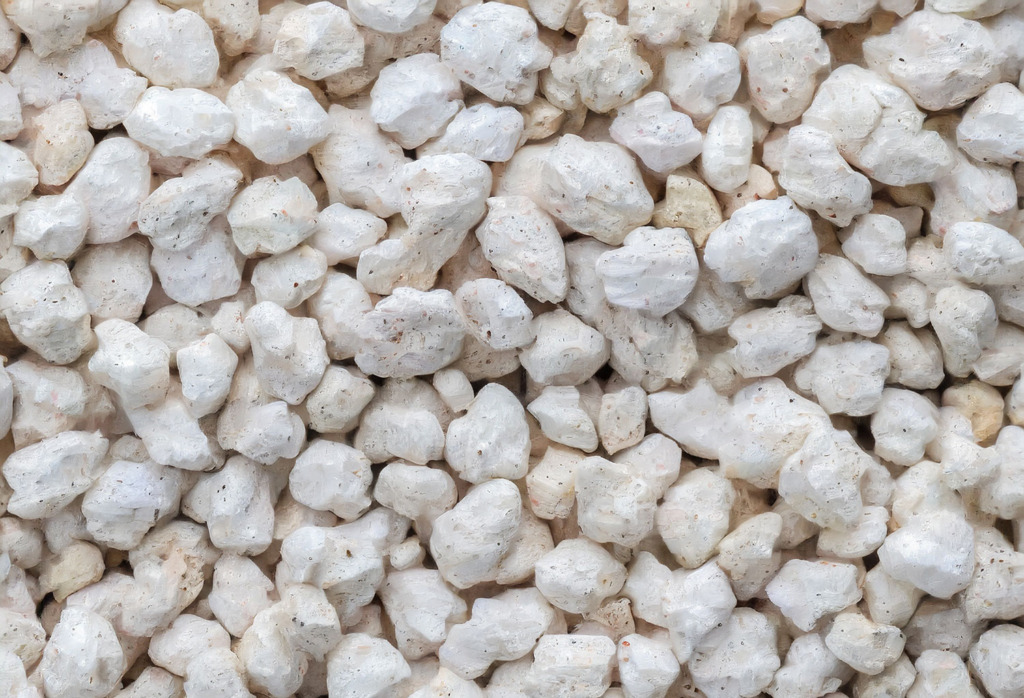
Expanded clay is a lightweight, porous building material obtained by firing natural clays at high temperature (about 1200°C). This process gives expanded clay a series of unique properties that make it an excellent thermal and acoustic insulator, as well as an eco-sustainable material.
The production of expanded clay is a simple, environmentally friendly process, as it is a renewable material extracted from shallow quarries. Production continues by grinding the compound until it forms tiny grains, which are then heated in rotary kilns at high temperature, where the water inside evaporates rapidly, causing the clay to expand and tiny cavities to form within it.
The sustainability of expanded clay
As you have seen, expanded clay is found directly in nature; it is a gift of the earth to be used responsibly in green building. Its production requires low energy consumption and generates no harmful emissions, unlike other building materials such as cement or bricks.
In addition, the durability and wear resistance of expanded clay contribute to longer-lasting buildings, reducing the need for frequent replacements and minimising resource consumption in the long term.
The thermal insulation of expanded clay
What makes expanded clay an even more sustainable material for the new building practices of green building is its ability to thermally insulate buildings. But how effective is it really?
With a thermal conductivity value of around 0.09 W/mK, expanded clay ranks among the best thermal insulators on the market, even outperforming traditional materials such as glass wool (0.045 W/mK) and expanded polystyrene (0.038 W/mK). This means it effectively prevents heat loss, keeping the heat inside the building in winter and the interior cool in summer.
A house that loses less heat is a home that consumes less. In concrete terms, you can save up to 70% on your bills, an advantage not only for your wallet but also for the environment. Expanded clay also helps create an ideal indoor climate, eliminating annoying draughts and cold walls in winter and ensuring pleasant coolness in summer.
Unlike other insulators that can degrade over time, expanded clay keeps its high insulating performance unchanged for decades. This makes it a safe, long-lasting investment that will continue to provide comfort and savings for many years to come.
How is expanded clay applied?
In green building, there are several versatile ways to apply clay depending on the needs of the owners and the structure. In floors, it is used as a fill to provide an effective barrier against heat loss, in both new builds and renovations.
As for walls, expanded clay insulation panels are an ideal solution for improving the thermal and acoustic insulation of both the perimeter and interior walls of buildings. Easy installation and high performance make it possible to create a comfortable living environment and reduce heat loss, thus contributing to the building’s energy efficiency.
There are also insulating screeds, which are the preferred choice for creating warm, comfortable floors. In addition to thermal insulation, they also offer good load resistance and excellent soundproofing, helping to create quiet and welcoming interiors.
Conclusions
Expanded clay is available on the market in various formats, including loose granules, pre-formed panels and complete roof insulation systems, ensuring maximum flexibility and adaptability to the specific needs of each building project. Choosing expanded clay for the thermal insulation of your home means making an informed choice in favour of the environment and your wellbeing. It is an eco-sustainable material with high insulating performance and a long life, which will let you save on bills and live in a comfortable and healthy environment.
Discover Diasen’s products based on expanded clay, such as ACRIFLEX PRO single-component, water-based waterproofing membrane resistant to ponding water. Thanks to its advanced formulation, it offers durable protection against water and weather, ensuring simple and fast application. With proven resistance down to -25°C, it allows tiles to be laid directly and can be left exposed or made walkable. Available in white and grey, packed in 20 kg buckets, it is a valuable ally for every waterproofing project.
There are also expanded clay-based products such as Acriflex Rapido, which offers numerous advantages, including rapid film formation just 20 minutes after application and resistance to washout, and Ultragum, ideal for ensuring lasting protection against water and weather.