Mediterranean building technologies to loosen the grip of the heat
Last winter was dominated by the ups and downs of the electricity bill and by a geopolitical threat centred on energy supplies. As a result, the public lived through the winter months under the yoke of a veritable dictatorship of the thermostat, under the illusion of being able to counter gas and electricity costs by adjusting the air temperature by one or two degrees, regardless of the quality of the thermal insulation against the cold and of the materials used for it.
In reality the winter of 2022-2023 turned out to be fairly mild, while the real climatic destabilisation is occurring in these last weeks of fierce summer heatwave. In homes and buildings without cooling systems the air temperature can even reach 28-29 degrees, values that are far from the comfort thresholds indicated by experts and health organisations and incompatible with any idea of living well-being.
The combination of high energy costs and summer temperatures that point to the tropicalisation of the Mediterranean area puts the big issue of insulation from heat back at the centre of the stage, through construction choices and materials able to counter the hygrothermal effects of high temperatures, to ensure breathability of the building envelopes and to guarantee well-being and liveability for people in inhabited spaces. The so-called “grip of the heat” is not a journalistic hyperbole but something extremely concrete that risks turning buildings into veritable thermal prisons, especially when insulation policies focus on synthetic materials and technologies.
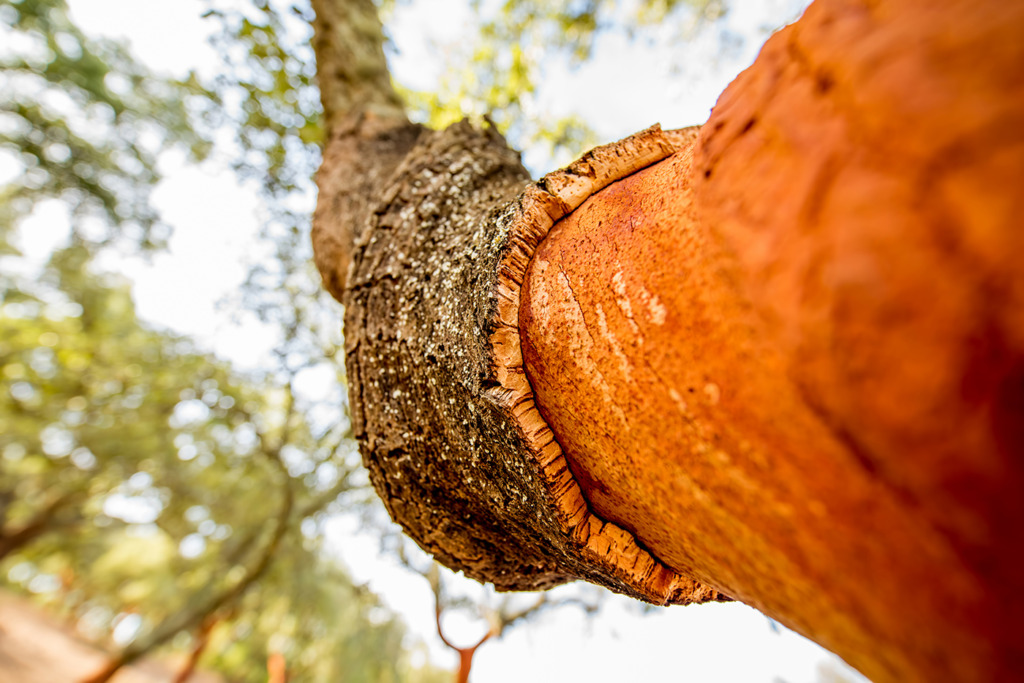
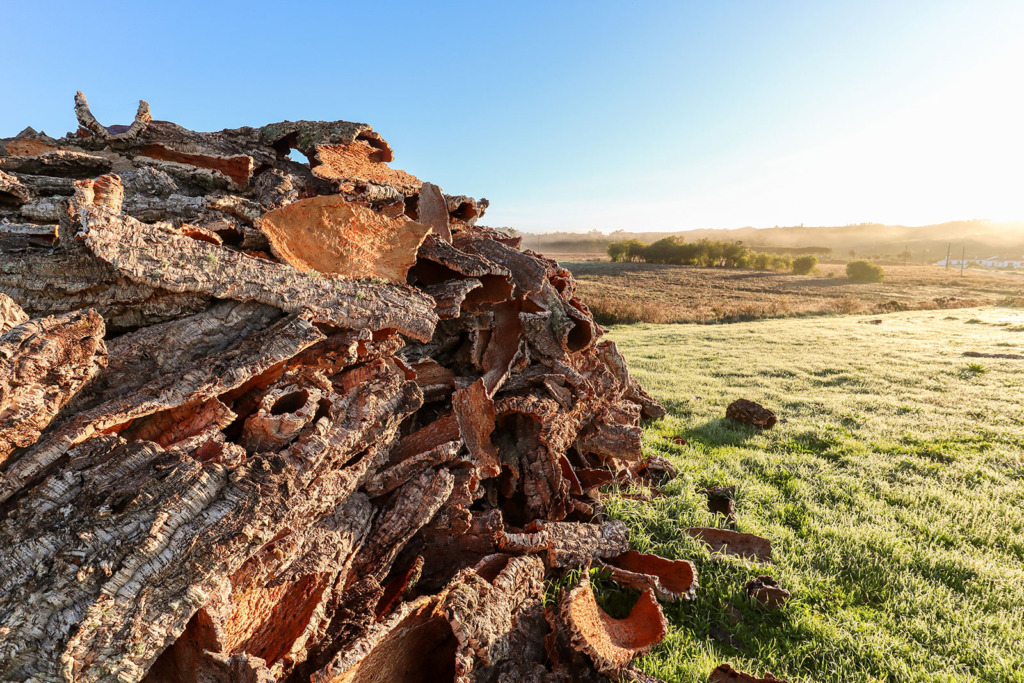
From this point of view it will be increasingly important to set building and renovation strategies centred on people’s comfort rather than on the classic energy efficiency of homes and buildings, because the effects of heat at home are immediate and radical and affect health before the wallet. In this re-reading of summer thermal insulation and of the hygrometric quality of indoor spaces as crucial elements of truly sustainable comfort, the Mediterranean building tradition comes to our aid: natural, local materials – such as cork, pumice, clay and lime – that ensure the breathability and thermal inertia of building envelopes, and a building culture based on structures and technologies that favour lightness, spaces and rooms improved by natural ventilation, and the continuity of the envelope as a support for thermal performance.
It can in fact be said, without fear of contradiction, that the most effective and forward-looking response to the overheating of the Mediterranean area lies precisely in a Mediterranean building culture whose value and function have been lost in favour of cheaper, lower-performing northern European technologies.
From this point of view the technologies for an architecture of the good and the beautiful developed by Diasen and its bio-mortars and cork-based paints represent a modern interpretation of the Mediterranean building culture, in which the right to comfort finds, in the materials, cycles and application solutions, the concrete expression of a sustainable vision in which people and their well-being are at the centre of a climatic, architectural and environmental challenge.