At What Temperature Does Mould Die on Your Walls?
Mould on walls is a common problem in homes, not only unsightly but also harmful to health. Many tenants underestimate the problem and keep putting off professional help. In the long run, however, it can lead to the development of chronic conditions such as asthma, allergic rhinitis and other forms of allergy.
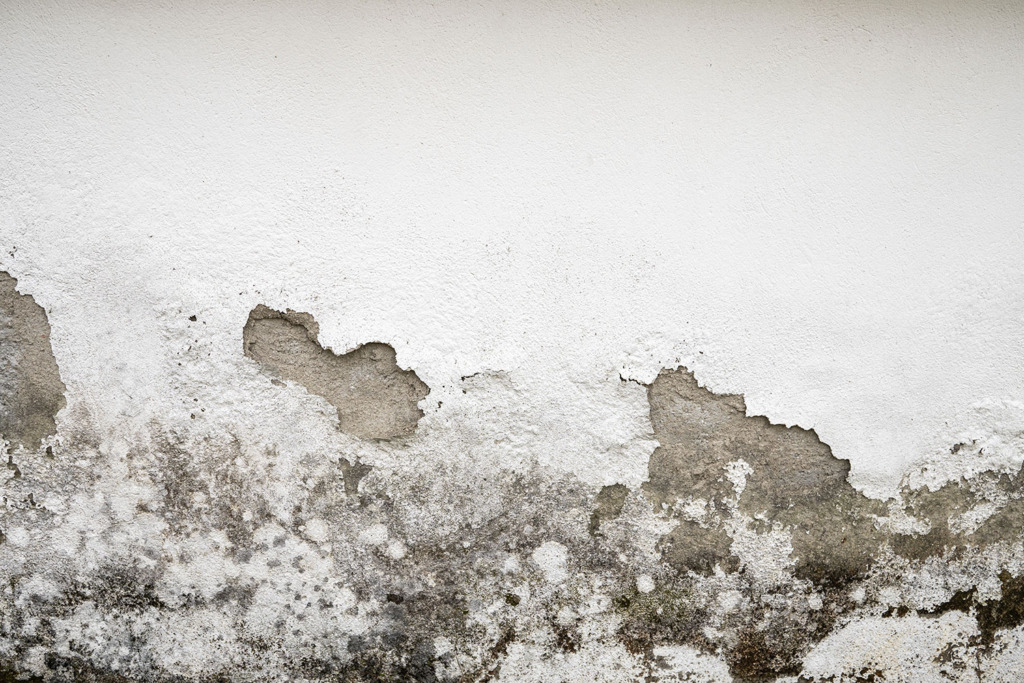
Not to mention the structural damage it causes to your home: the plaster is stained black or white, flakes, gives off a bad smell and lowers the value of your house. If you act promptly, you can carry out a less invasive and less costly intervention.
How does mould “die”?
Mould is a living organism. It forms in damp, dark environments with little ventilation. It is a fungus that feeds on decomposing organic matter, such as wood, paper and fabric, but also the plaster of our house walls.
Its growth is favoured by temperatures between 15°C and 30°C and by relative humidity above 60%. This information is very important for understanding how to act against mould, starting with the temperature that might not favour its proliferation.
Ideal temperature to kill mould
Establishing a precise death temperature for mould is complex, as different species have different heat resistance. In general, temperatures above 50°C can kill it, but it is important to stress that:
- Exposure to high heat must be prolonged, a brief temperature peak is not enough to eliminate mould
- Not all moulds die at the same temperature, some species can withstand even higher temperatures
- Heat alone is not enough: to eliminate mould permanently you must also act on the causes that trigger its growth, such as excessive humidity.
We know that, at this point, the question arises naturally: so do I have to turn the heating up to 50°C to get rid of mould on my walls?
No, it is absolutely not necessary to turn the heating up to 50°C to eliminate mould from your walls. Many websites advertise using a steam cleaner on walls to kill the spores, but it does not work on walls. It may be a solution for fabrics or tiles, but not for materials such as masonry or wood. Why?
Using boiling steam to eliminate mould from walls can be useful for killing surface spores and penetrating crevices, but it has limits and risks to consider. Although it is an ecological method that requires no chemicals, it may not eliminate deep-rooted mould and would create a fertile environment for the fungus once the temperature has cooled, as the water would remain trapped in the walls.
One way to eliminate mould with heat is to try, if possible, to let sunlight into your home. This can help kill the spores and prevent more mould from forming.
Find out the ideal humidity level for your home to avoid the formation of mould.
Other ways to “kill” mould
To prevent the proliferation of mould and kill its spores, high temperatures are not the only option. Anti-mould products are a common, tested option for solving the problem. Bleach diluted in water is a powerful disinfectant for removing surface mould, but it requires precautions in use and good ventilation. There are also products specific to different types of surface, and hydrogen peroxide, which is less aggressive and has a more pleasant smell.
Then there is dehumidification, to keep ambient humidity below the level favourable to mould growth. Dehumidifiers and moisture absorbers are useful tools in this context.
Regular ventilation of rooms, especially after the use of hot water, helps reduce humidity and improve air exchange, hindering the formation of mould. In case of persistent humidity, we recommend installing mechanical ventilation systems.
Clean surfaces regularly, especially in damp rooms such as bathrooms and kitchens. Make sure they are always dry to avoid the formation of water vapour. Do not hang laundry to dry in the apartment, and periodically check the condition of the pipes to detect any leaks or water seepage.
By using a combination of these strategies and adopting preventive practices, it is possible to keep interiors free of mould and ensure a healthy and safe environment for the occupants.
Thermal insulation: the real ally against mould
Thermal insulation is essential for maintaining a constant temperature inside the home, thus reducing the formation of condensation and creating an environment less favourable to mould.
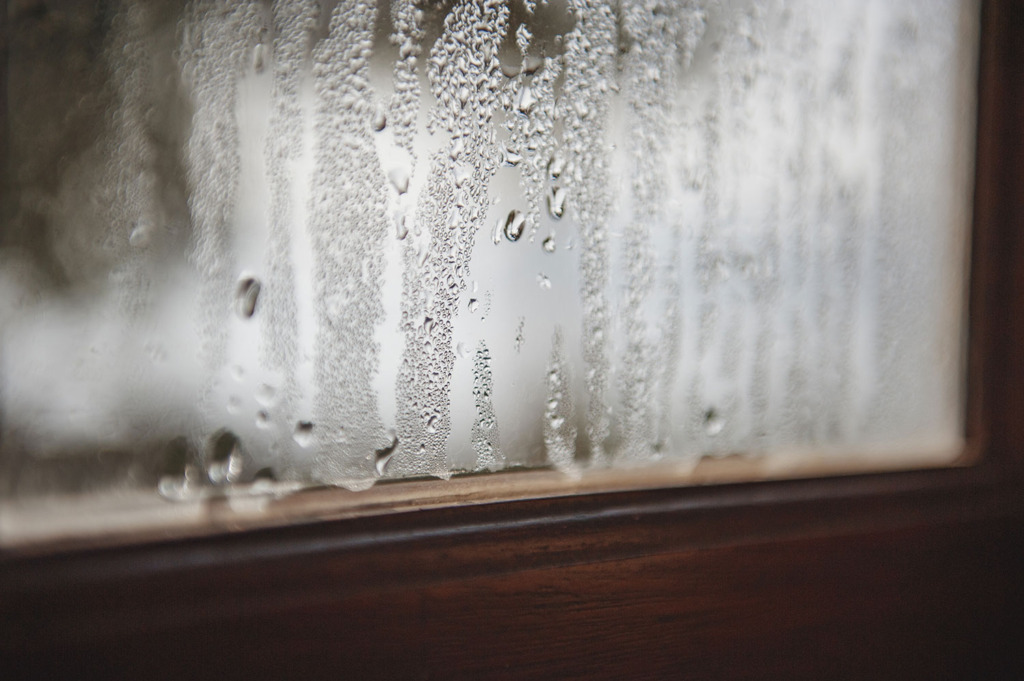
Correct installation reduces heat loss to the outside, keeping the walls warmer and thus reducing the formation of condensation, an environment favourable to mould. It also regulates the indoor temperature, avoiding temperature swings that could encourage mould growth.
Of course, external wall insulation is the most suitable solution for insulating a house as well as possible. However, for a better effect, we also recommend using anti-mould paint. It contains fungicidal agents that prevent mould from growing on the treated surface and, if mould is already present, can eliminate it. However, its effectiveness depends on several factors. For example, in the case of deep-rooted mould or persistent triggering causes such as excessive humidity, it may not be enough.
The Diasen approach
We often find ourselves treating mould problems inside homes. Our treatment consists of acting against mould and condensation on the interior walls of homes, usually caused by the high relative humidity of the environment and the lack of thermal insulation, especially at a serious thermal bridge. The solution we propose usually includes the use of the anti-condensation, anti-mould thermal paint C.W.C Stop Condense.
The process begins with the removal of the existing mould using a solution of water and bleach. Then C.W.C Stop Condense paint is applied, diluted with water to make application easier. The paint is applied in two coats, with an interval of 4 hours between one coat and the next. In the case of particularly severe mould, a third coat can also be applied.
The main aim of the treatment is to raise the surface temperature of the wall, thus reducing the formation of condensation and, consequently, the growth of mould. To confirm the effectiveness of the work, we carry out thermographic surveys before and after applying the paint. These surveys always show a significant increase in the wall’s surface temperature after treatment, from an average of 16.8°C to 21.0°C, confirming the success of the intervention in combating condensation and mould.
To find out more, visit our online store.