Anti-Mould Paints: Useful Tips to Prevent Mould on Interior Walls
Sooner or later, all homeowners face mould problems. The causes can come from bad habits or even from incorrect insulation of your apartment.
Mould on walls is a common problem, especially in old or poorly ventilated homes. Besides being unsightly, mould can cause health problems, such as allergies and asthma. For this reason it is important to prevent it from forming and to act immediately if it appears on the walls.
How does mould form?
Mould grows mainly in damp environments with temperature swings. Mould spores are always present in the air, but they find fertile ground to multiply only when conditions are ideal. The formation of mould on walls is often due to several interconnected factors.
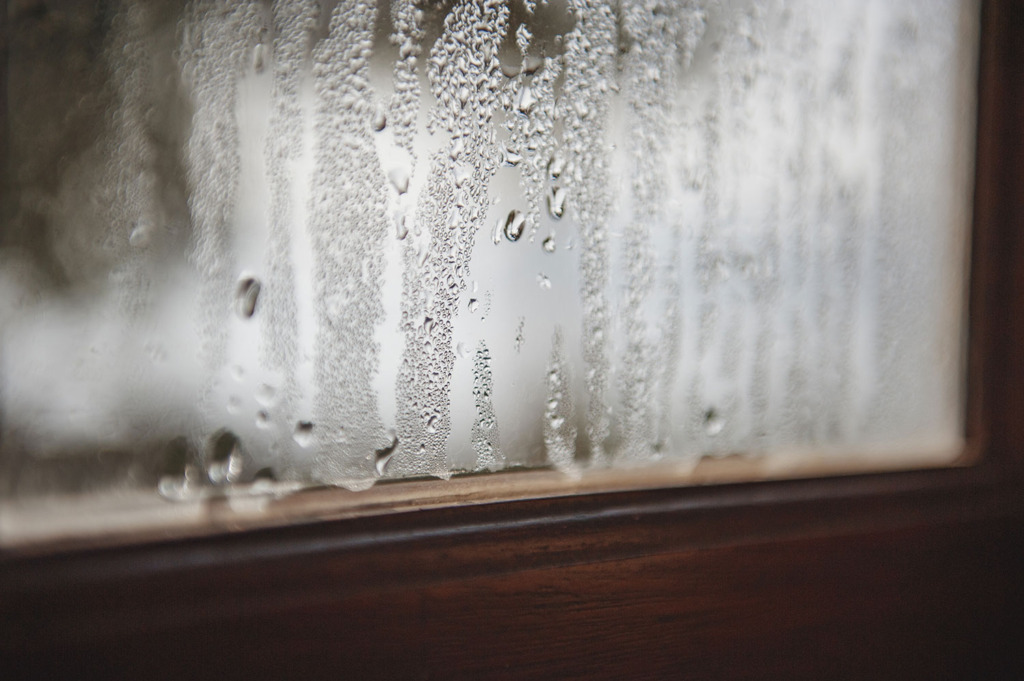
Condensation is one of the main causes. When warm, humid air comes into contact with a cold surface, such as an external wall, it condenses into water droplets. If these droplets remain on the surface for a long time, they encourage mould growth. Another determining factor is poor ventilation. In rooms where the air does not circulate properly, moisture tends to remain trapped, creating an ideal environment for mould to develop.
Water seepage is a further significant problem. If water manages to penetrate the walls, perhaps because of a burst pipe or a damaged roof tile, a damp environment is created that encourages mould spores to multiply. The combination of these elements creates the perfect conditions for mould growth, making it essential to act on both humidity control and ventilation of the rooms to prevent this problem.
How to prevent mould?
To prevent mould forming on walls, it is essential to reduce humidity inside the house. This can be achieved by regularly airing the rooms, especially after a shower or bath, and by using a dehumidifier if necessary. Installing air vents or opening the windows frequently helps keep the air moving and reduces trapped moisture.
It is important to repair any burst pipes or broken tiles promptly to prevent water from penetrating the walls, creating an environment favourable to mould growth.
If you are renovating your home or fighting a mould problem and need to remove the visible signs, using anti-mould paints can be very effective. These paints contain fungicides that prevent mould from growing, thus protecting the walls in the long term. Applying an anti-mould paint to at-risk surfaces can prevent the problem before it appears, keeping walls clean and healthy.
Not only that: Diasen anti-mould thermal paints create an extra layer on the walls of the house that prevents condensation from forming. But how do these anti-mould paints work and how are they applied?
How do anti-mould paints work?
Anti-mould paints are special formulations that include fungicides, chemicals designed to eliminate fungi and mould from treated surfaces. Among the fungicides most used in these paints are isothiazolinones, known for their effectiveness against a wide range of fungi and moulds. Another common fungicide is zinc chloride, which is less toxic than isothiazolinones but also less powerful.
Alternatively, some products use zinc pyrithione, a fungicide of natural origin that is effective against specific varieties of fungi and moulds. The inclusion of these anti-mould agents in paints is essential to prevent mould forming on the treated walls, ensuring a healthier environment free of harmful micro-organisms.
Tips for applying anti-mould paints
Anti-mould paints require a correct application procedure to ensure optimal results over time. They are simple to use and you do not necessarily need to call a professional, although it is always recommended for truly flawless and long-lasting results.
First, the surface must be carefully prepared, removing any trace of mould, dust or dirt and, if necessary, repairing any cracks or holes. This preparatory step ensures a clean, even base for the next application.
The next step involves applying an anti-mould primer, designed to seal the surface and improve the adhesion of the paint. This preparatory layer ensures the durability and effectiveness of the anti-mould paint over time. Finally, the anti-mould paint itself is applied, carefully following the manufacturer’s instructions and making sure to apply two coats for complete, even coverage.
The lifespan of anti-mould paints generally ranges from 5 to 10 years, but it is important to bear in mind that this interval depends on the specific environmental conditions. It is advisable to inspect the treated walls regularly for any signs of mould and, if necessary, repaint to keep the interior effectively protected from mould and damp.
Our product to fight mould at home
The fight against mould in our homes is not only a matter of appearance, but also of health and wellbeing. Mould can cause allergies, asthma and other respiratory problems, especially in children and the elderly. For this reason, it is important to prevent its formation by using effective and safe products, such as C.w.c. stop condense, Diasen’s definitive thermal anti-mould treatment.
C.w.c. stop condense not only eliminates mould for good, but also helps create a healthier and more comfortable environment. Thanks to its insulating properties, this paint helps reduce condensation on the walls, keeping the house warmer and drier.
At Diasen, we are committed to developing eco-compatible products that reduce environmental impact and promote lower consumption. Our definitive thermal anti-mould treatment is just one of the many products we have created with this philosophy.
We believe a healthier and more sustainable future is possible. For this reason, we will continue to invest in research and development of innovative products that respect the environment and people’s health.For more information on C.w.c. Stop Condense, visit our website or contact our customer service.