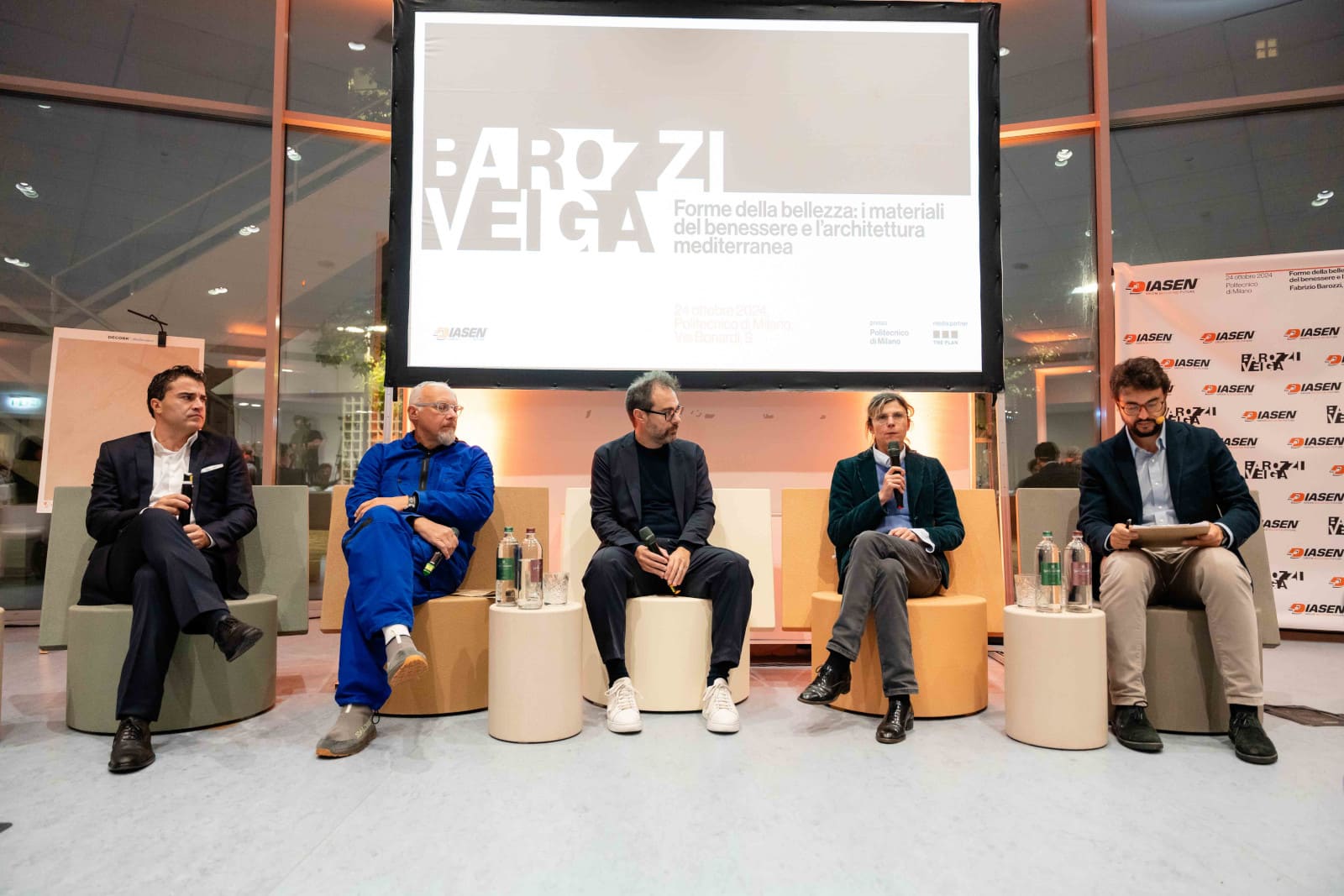
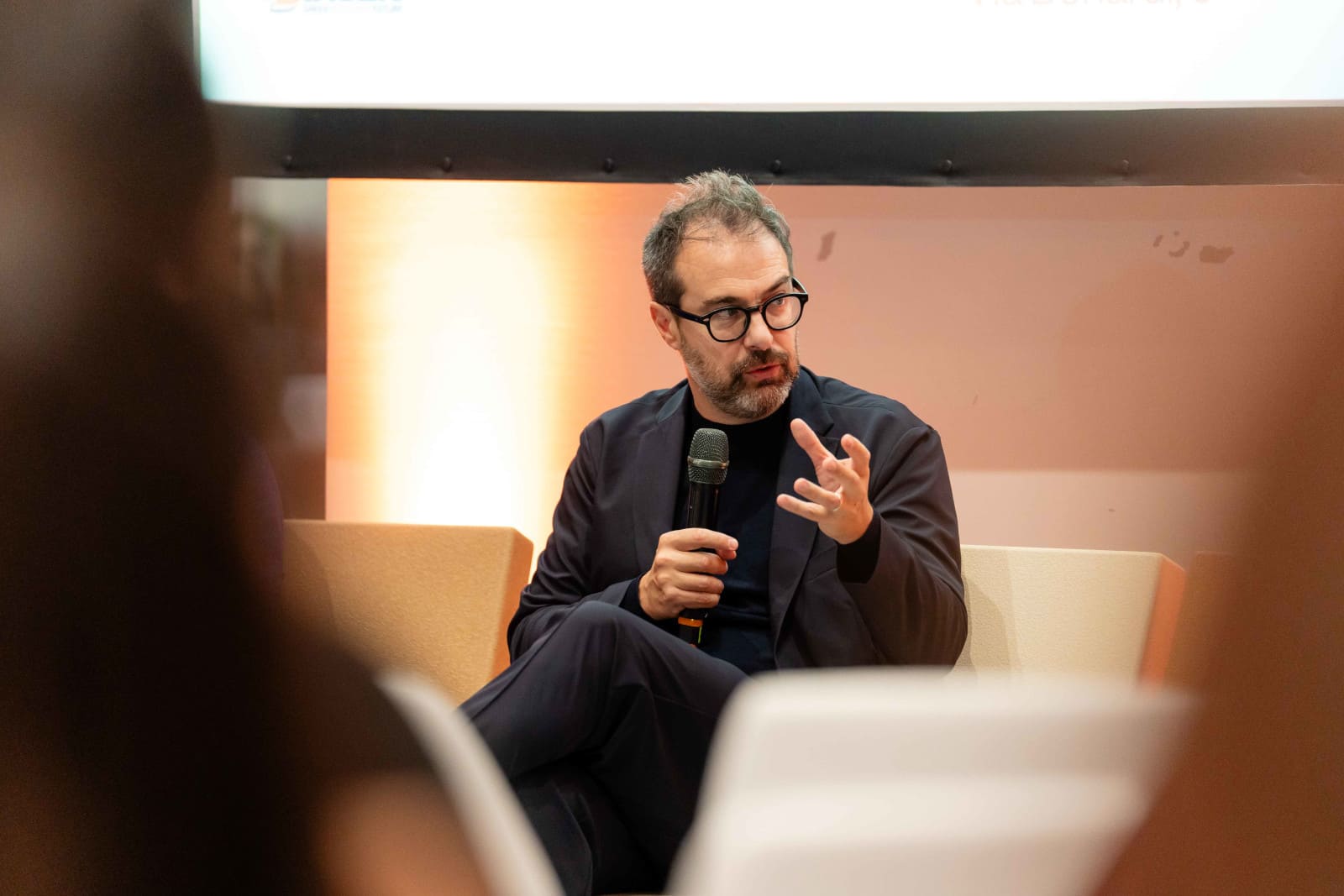
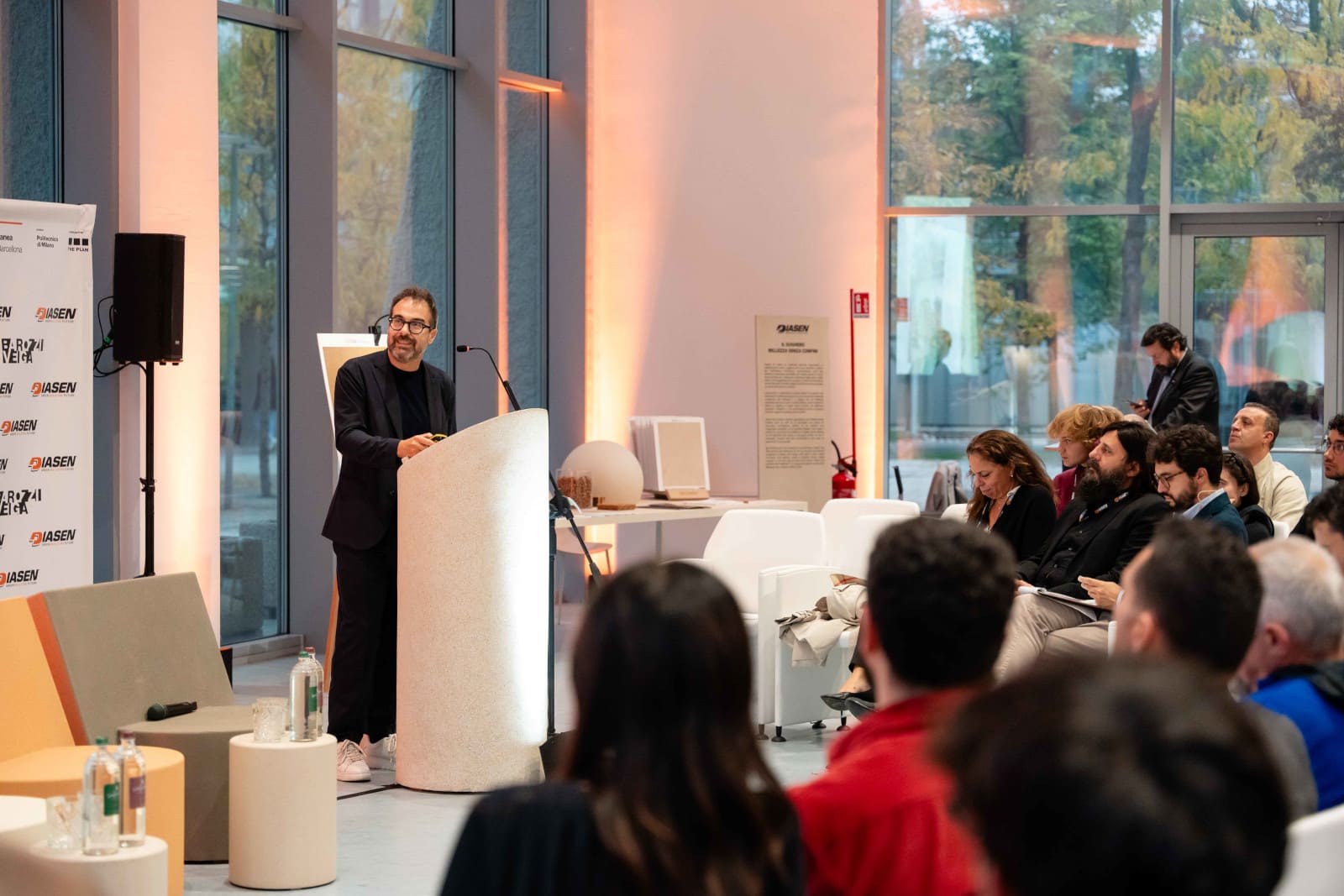
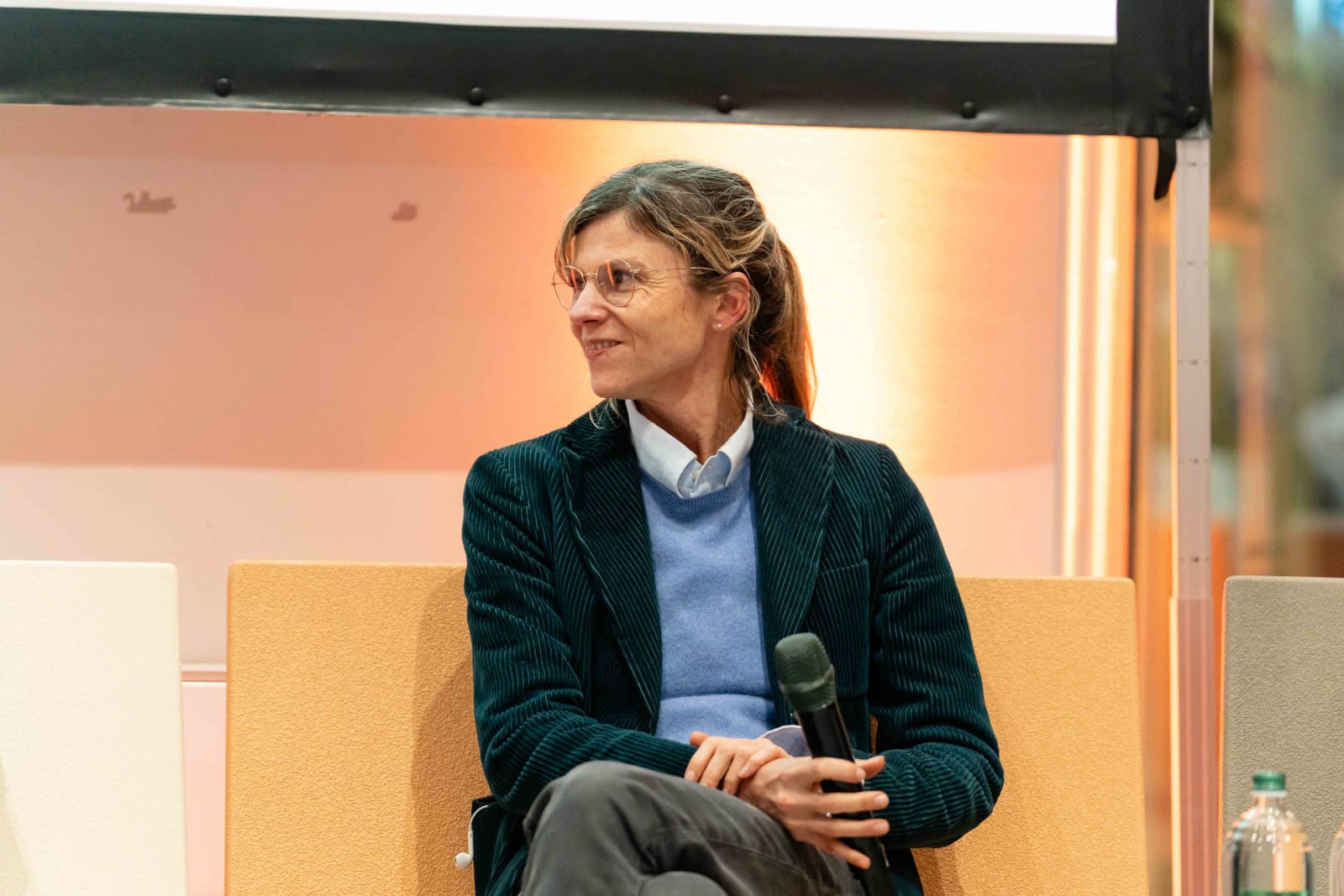
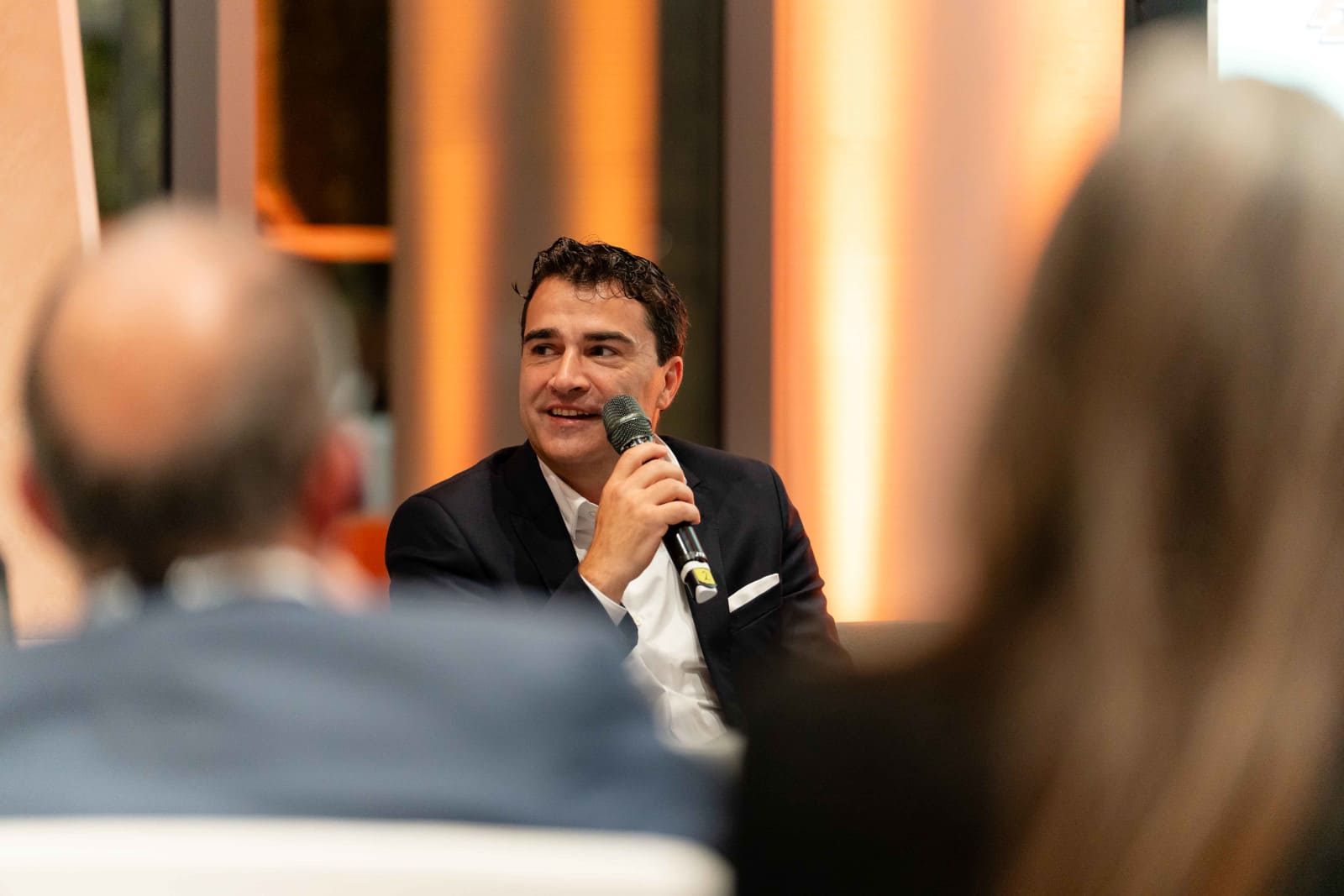
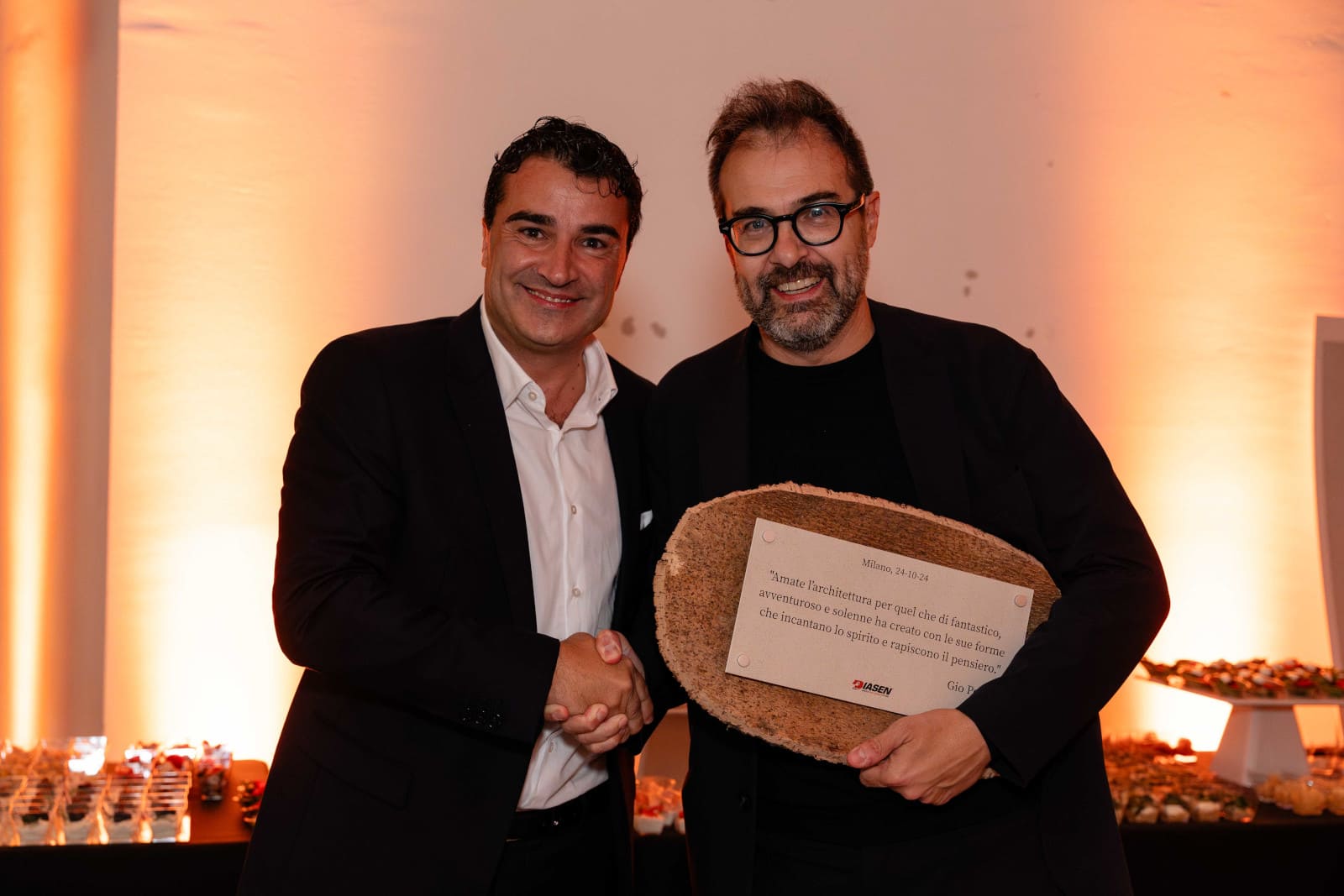
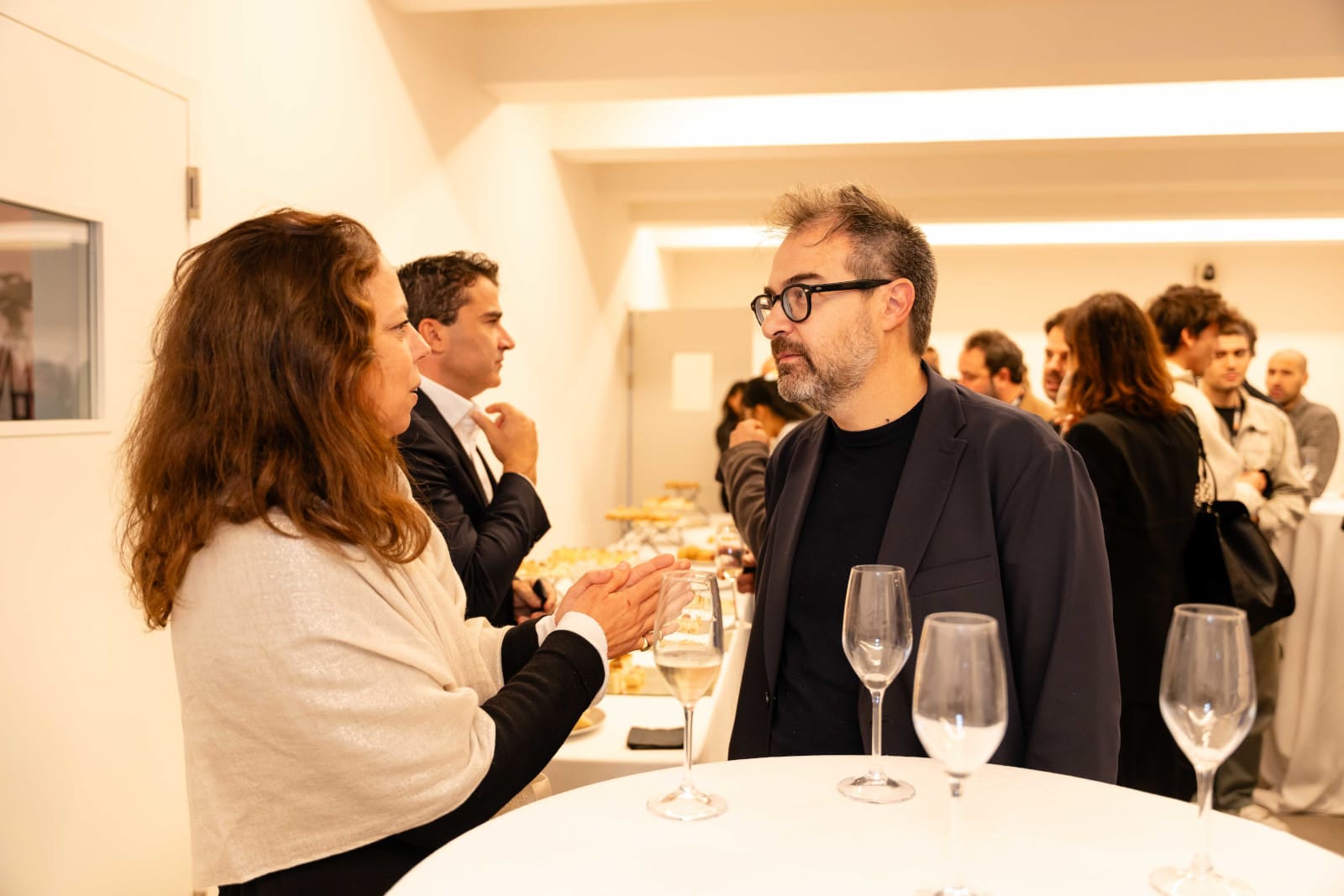
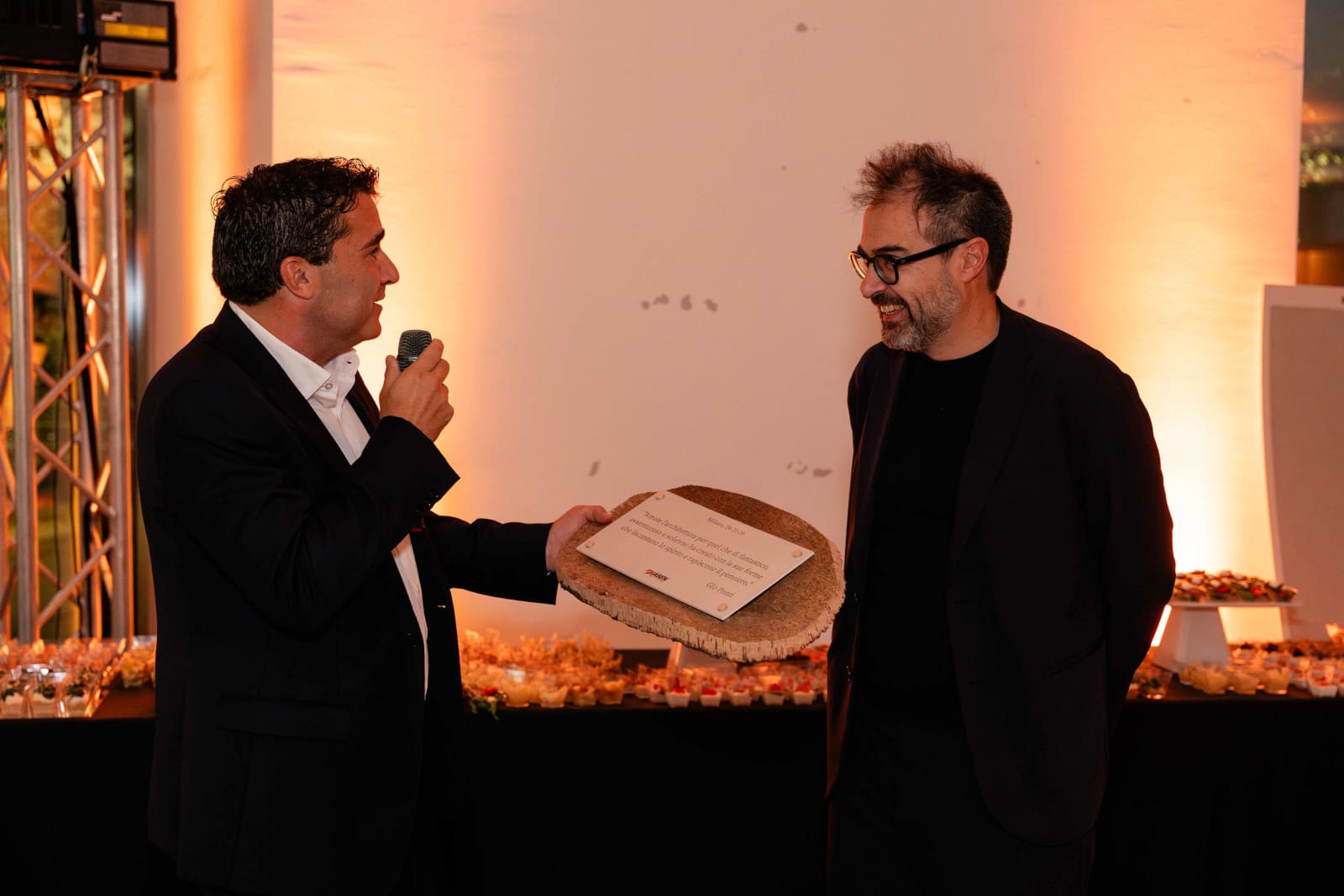
With the architect Fabrizio Barozzi, co-founder of the Barozzi Veiga studio
A modern, sustainable and attentive architecture cannot ignore the empathic link between individual well-being and the use of natural materials in living, working and social environments.
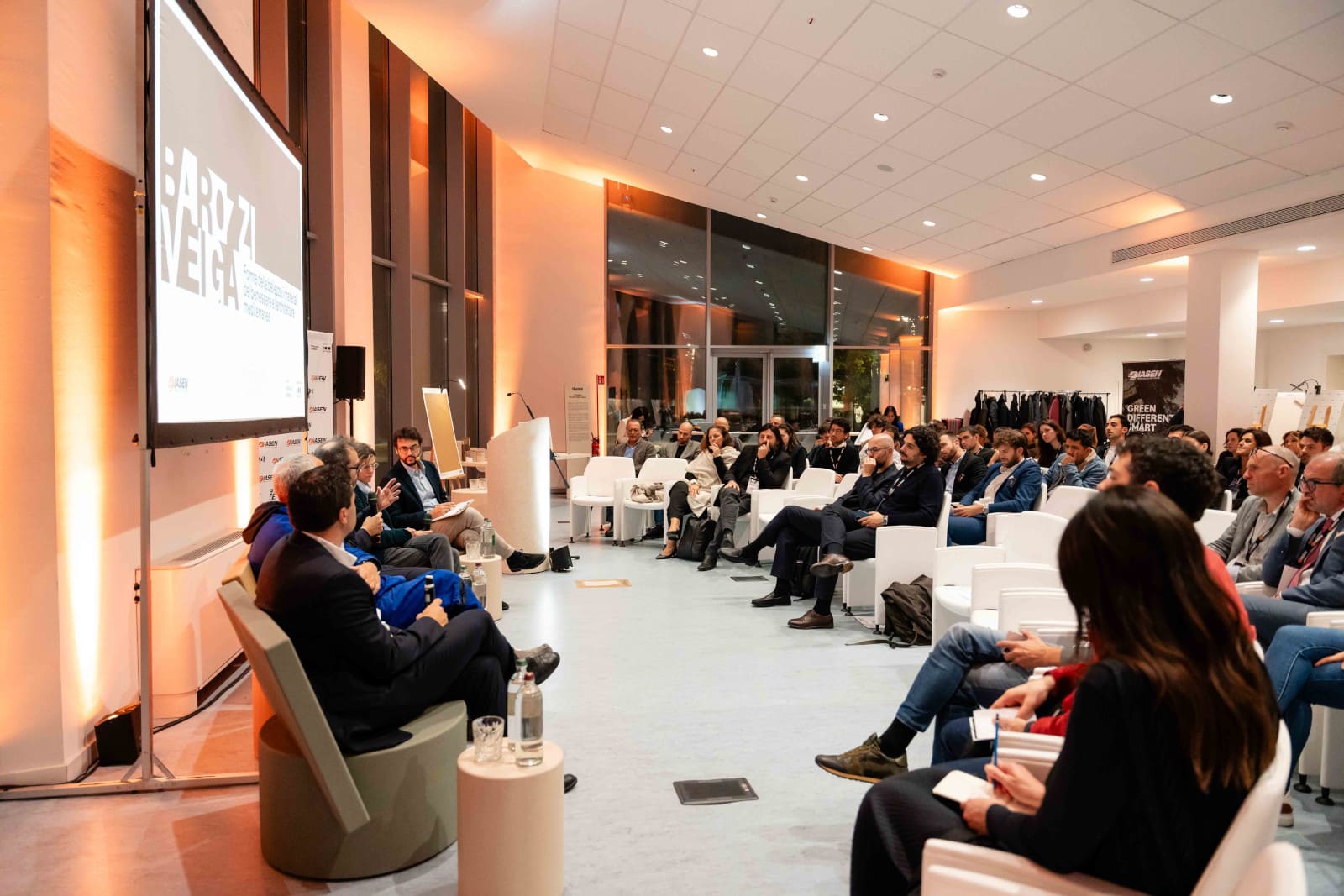
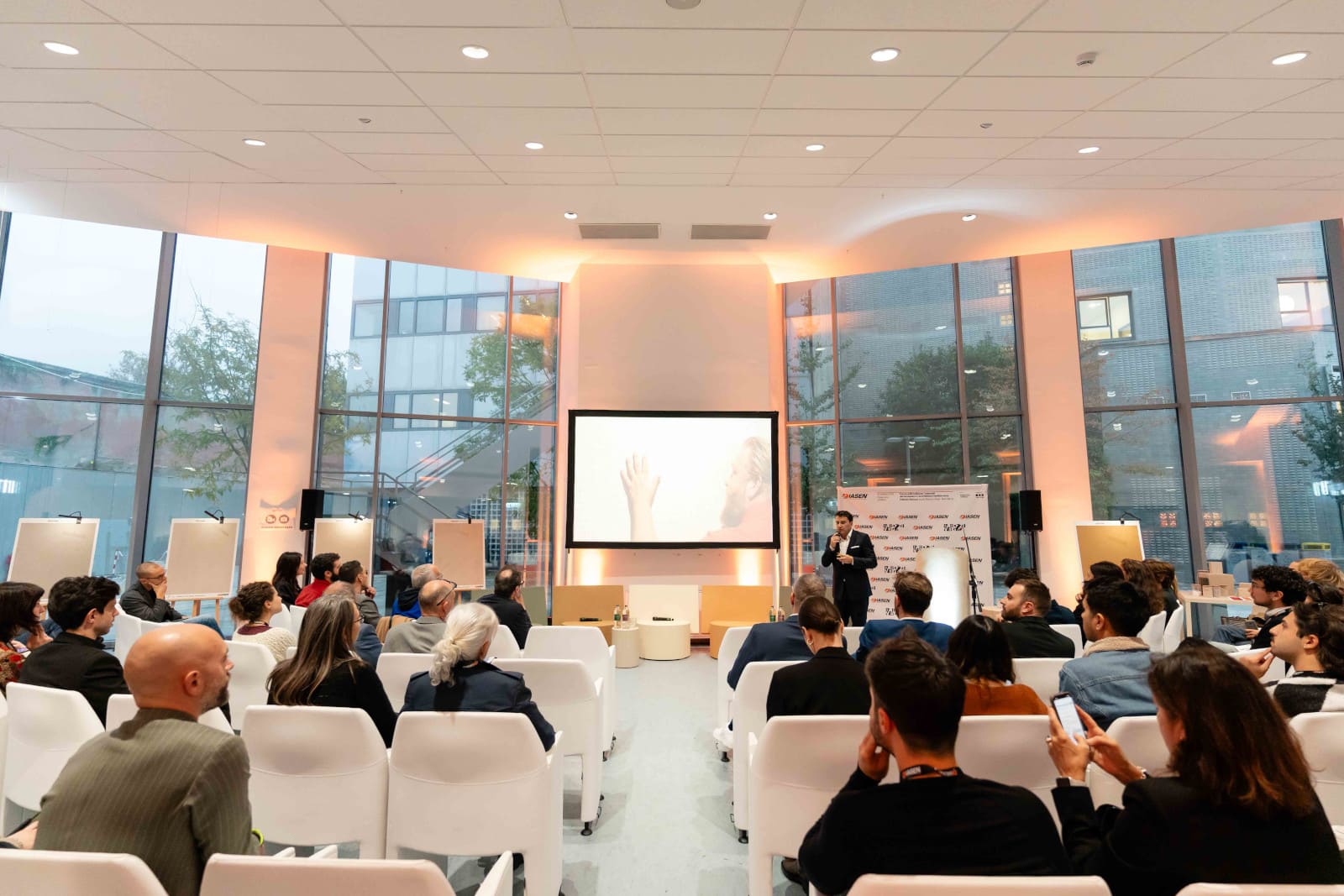
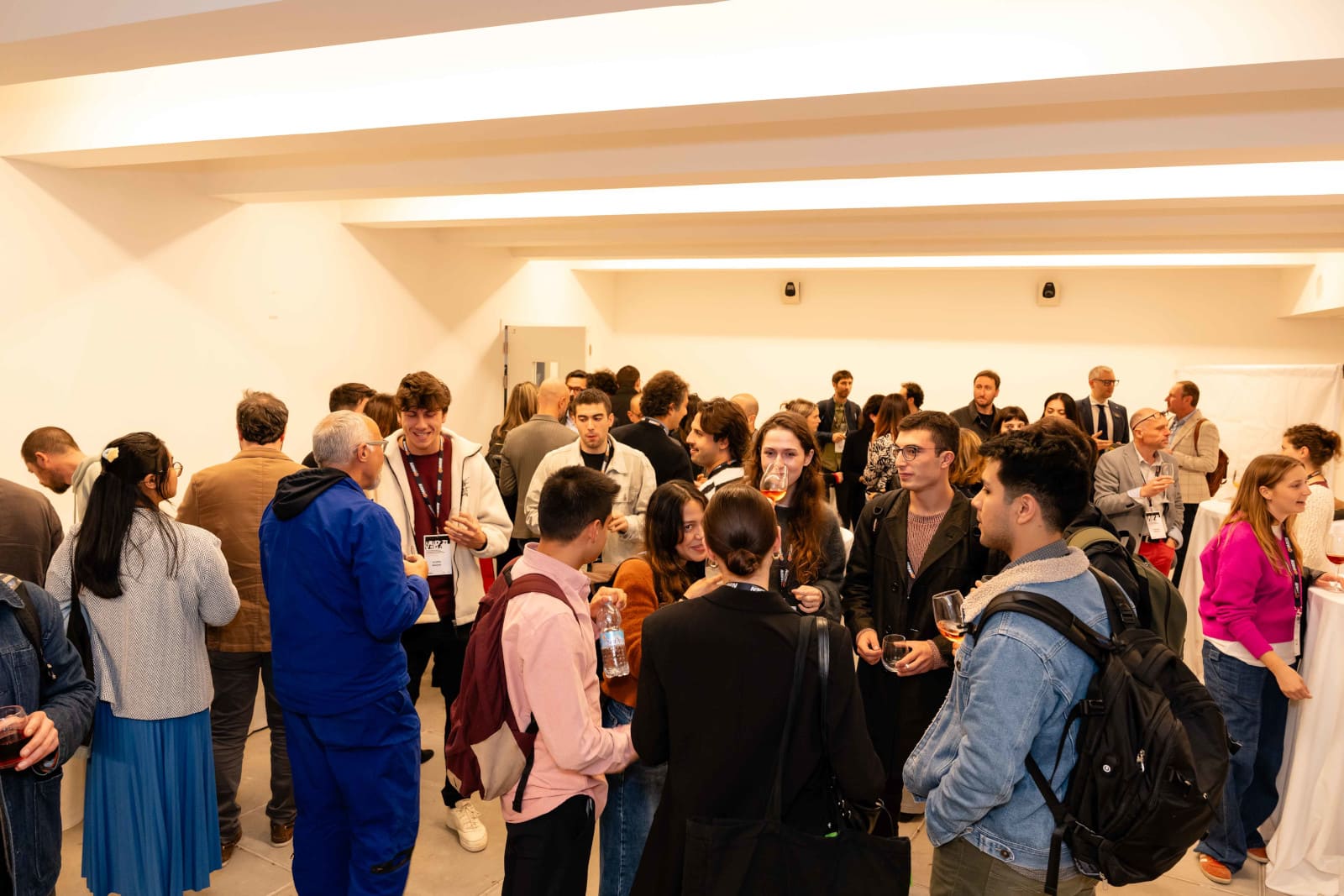
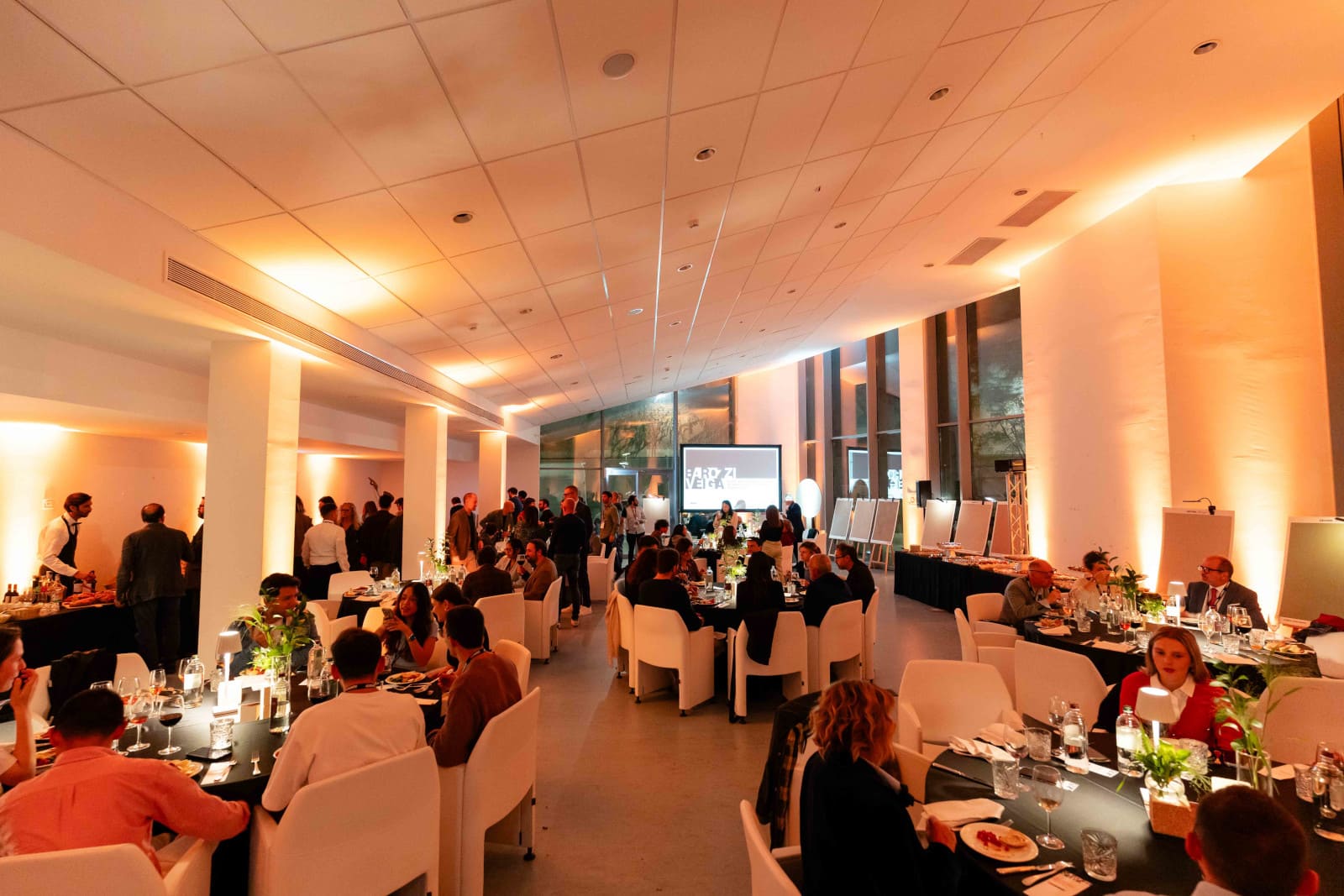
These were some of the themes that emerged from the meeting “Forms of Beauty: well-being materials and Mediterranean architecture”, organised by Diasen at the Politecnico di Milano in collaboration with the Order of Architects PPC of the Province of Milan.
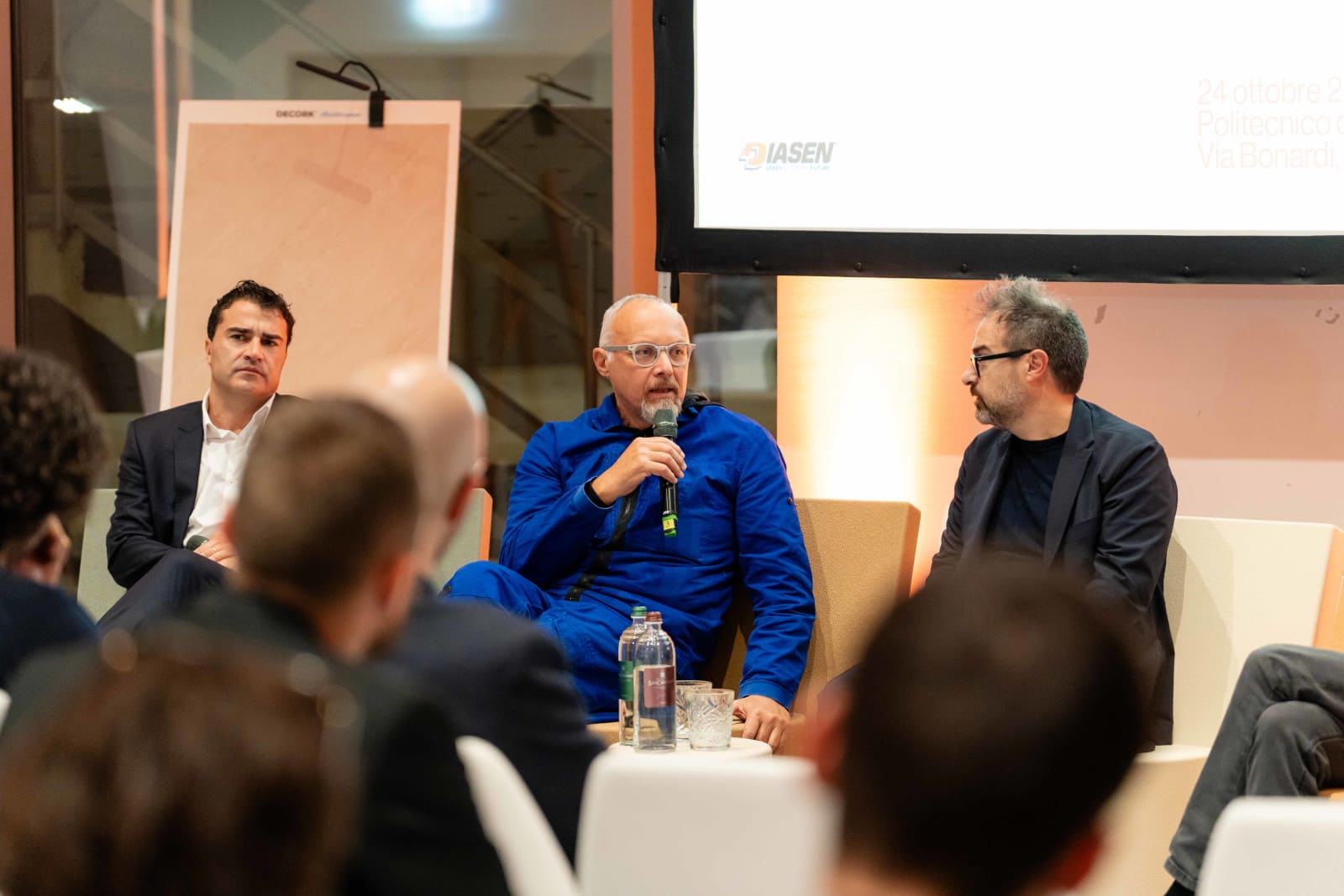
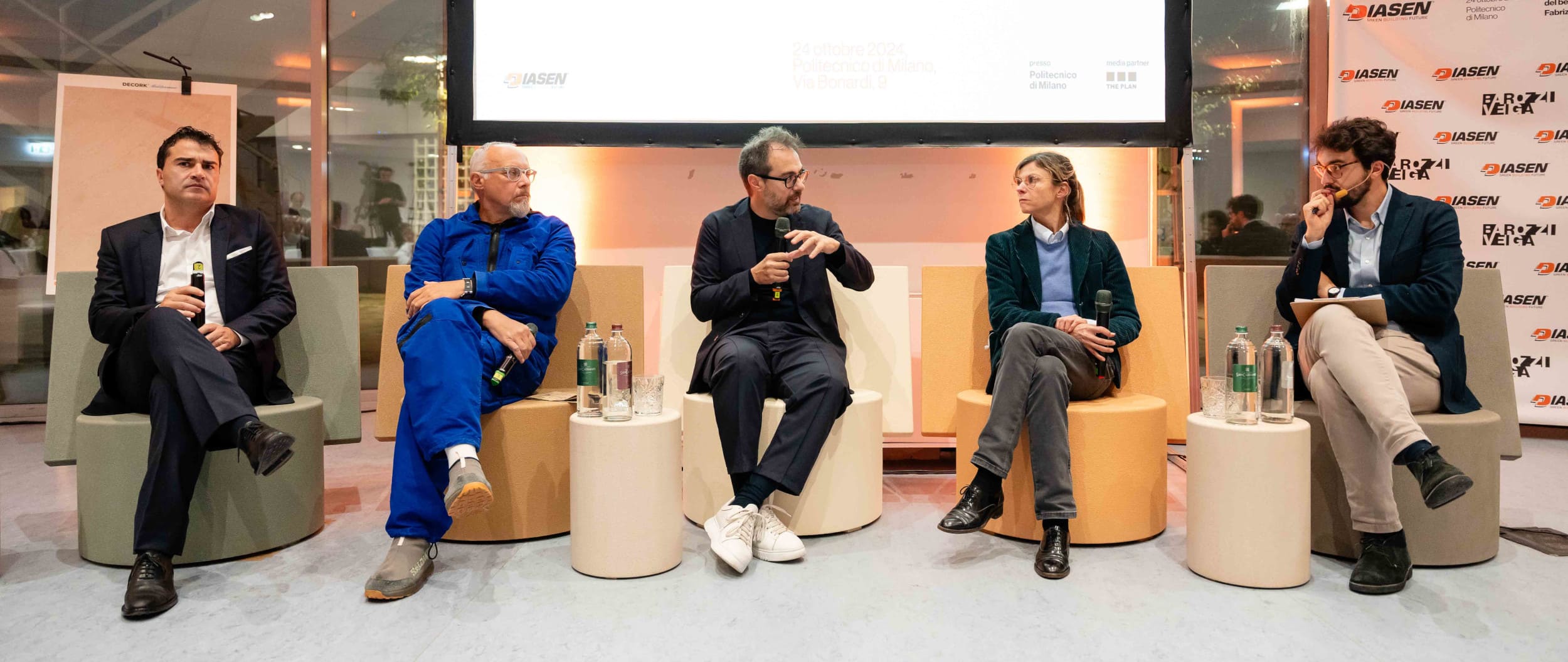
The meeting was moderated by Paolo Bovio, managing editor of Will Media, with talks by Diego Mingarelli, CEO of Diasen, the industrial designer Giulio Iacchetti and the architect Fabrizio Barozzi, co-founder of the Barozzi Veiga studio. The discussion covered the importance of physical contexts, architectural forms, biophilic principles and Mediterranean architecture, understood as a modern reworking of tradition, mediated by new technologies.
The talks were followed by a round table in which, besides the three speakers, Professor Ingrid Maria Paoletti also took part. She teaches Architectural Technology at the Department of Architecture, Built Environment and Construction Engineering (ABC) of the Politecnico di Milano and is an expert in materials, with a particular focus on technical innovation in architectural design and on the use of new technologies and software tools to combine conception and construction.
The correlation between well-being and nature seems to be the way to reinterpret a tradition of the past in a modern key. The Mediterranean basin can aspire to regain a central role as a space and a metaphor for comfortable, sustainable building: a model of knowledge, cultures and experiences going back thousands of years, able to hold together and fuse tradition and modernity thanks to a history of human settlements, architectural civilisation and effective responses to the great environmental challenges of a climate area subject to changes that will alter the way millions of people live.
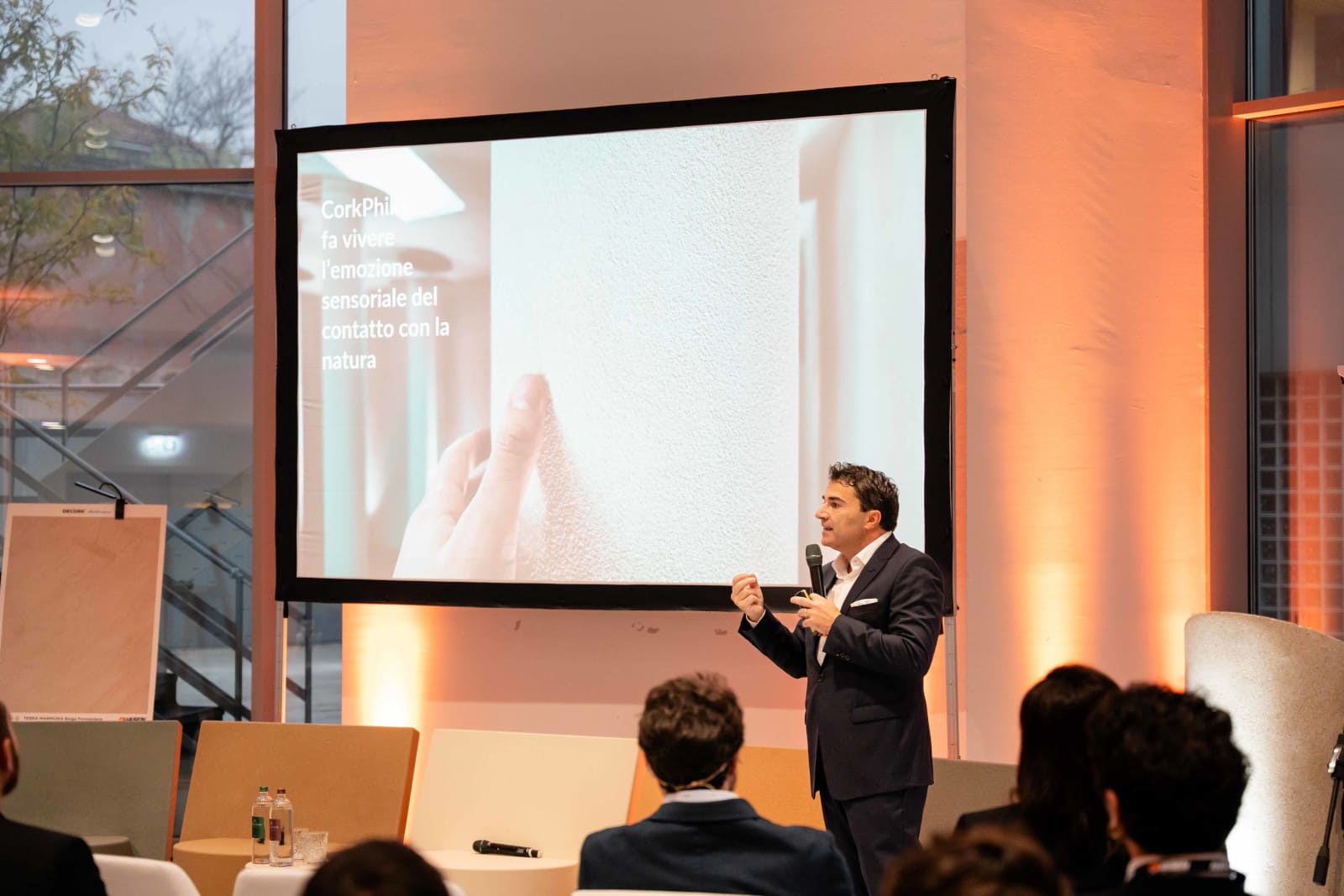
“Thanks also to the discovery of biophilic architecture, we have understood that materials have a deep connection with the well-being of spaces. Having centred our idea of architecture on cork, we have adopted CorkPhilia as the element that characterises us, that lets people experience the sensory emotion of contact with nature, creating real well-being” – Diego Mingarelli